Kia Ora
Kia Ora from New Zealand! It’s been a whirlwind of travel over the past week. I left Prague, Czech Republic, a week ago today and crossed the world west en route to Auckland, New Zealand’s capitol. I stopped in Dallas, Texas, for a few hours to pick up my wife, visit with one of my kiddos, and eat dinner with my family, before crossing the Pacific. Once here, we got to work!
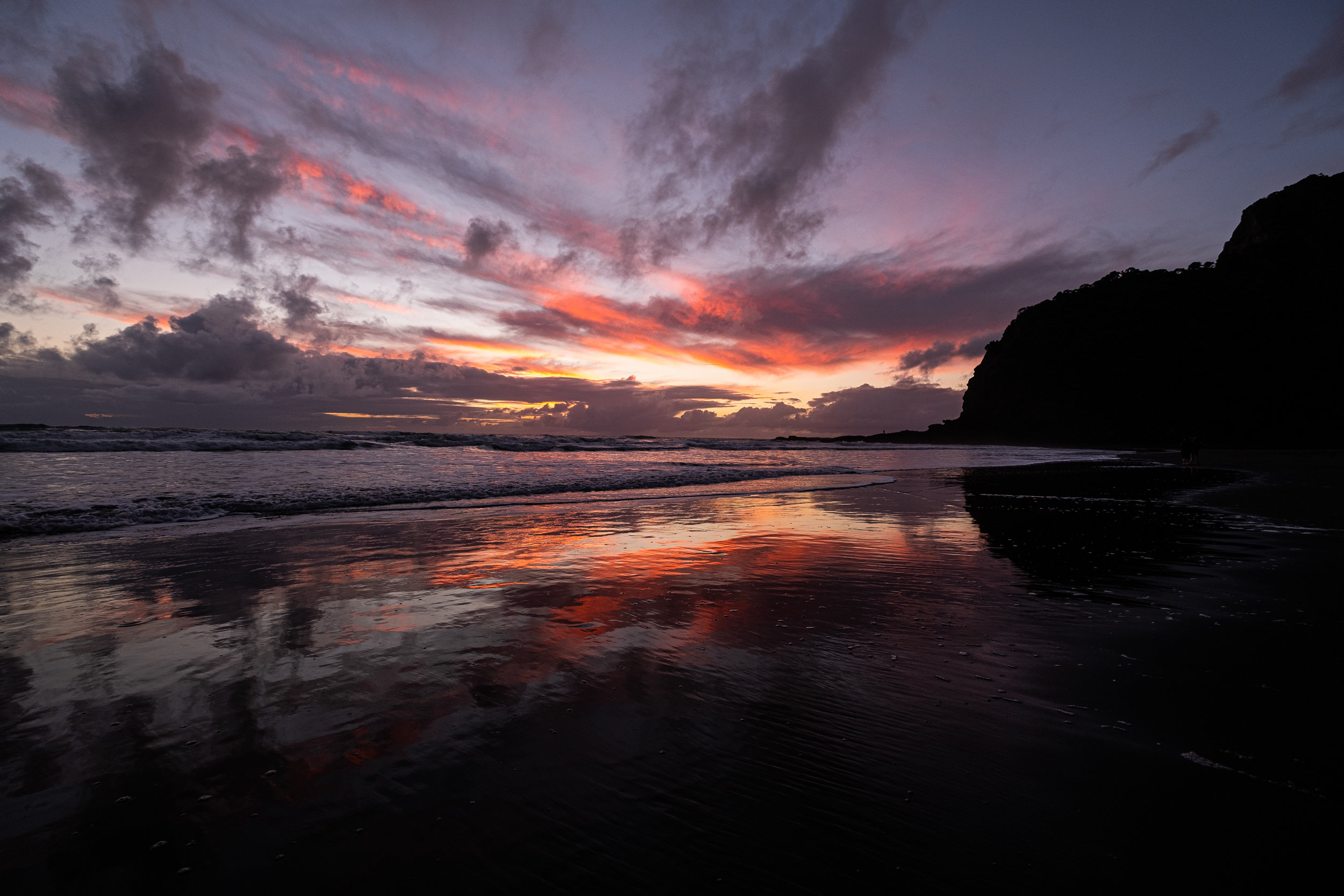
This is my fourth time to New Zealand, as well as my fourth time helping lead a group of Texas Tech University students on a country-wide tour across both the north and south islands. Rob Peaslee, my partner in the endeavor, asked me several years ago if I had any interest in teaching a travel photography course as a pairing to his media, tourism and culture course. Since then, we have led a group abroad every summer, rotating of late between New Zealand and Scotland+Northern Ireland.
The premise of the program rests in Rob’s course, which deepens students’ academic understanding of culture, tourism, and how popular media impacts a nation-state and its peoples, as well as an outsider’s perception of said place. You can imagine how transforming the hugely successful The Lord of the Rings and The Hobbit trilogies were and still very much are for New Zealand tourism. The films introduced New Zealand (especially its landscapes) to an even larger global audience than before the Fellowship of the Ring hit screens in 2001, and interest in and travel to the small island country has skyrocketed, creating a large tourism infrastructure, a major economic factor, and loads of nation-branding.
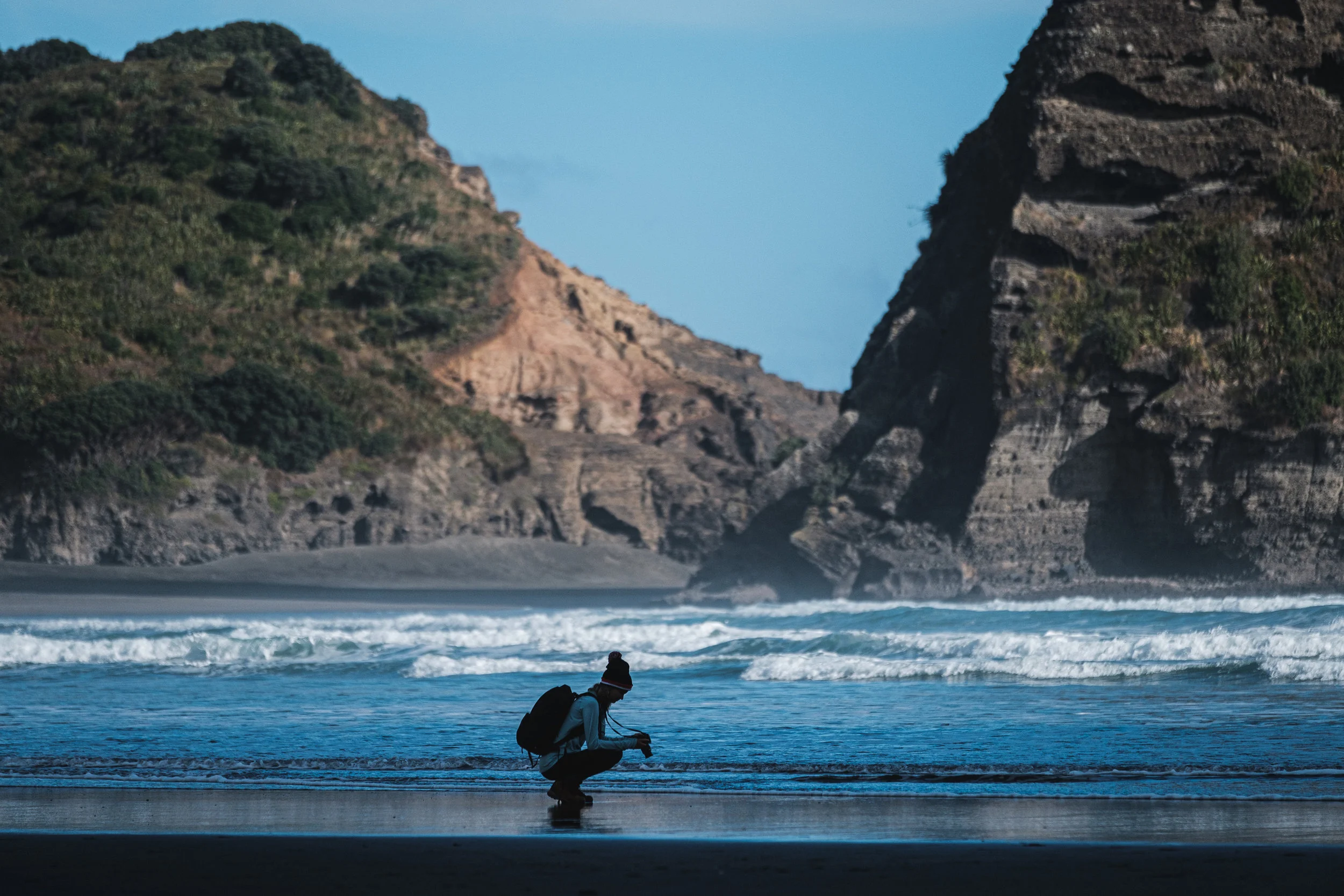
My course introduces students to working as travel and cultural photographers, particularly in light of this travel and economic boom in New Zealand. The course is steeped in practice, and for many of the students, it’s their first time to spend this amount of concentrated time behind the camera, considering being creative for an audience comprised of fellow travelers, as well as those that they encounter along the way. For three weeks, we’ll move from the north end of the north island to the southern edges of the south island, shooting for portfolio and storytelling purposes, all the while respectfully using the camera as entree into place and culture.
Both courses jointly seek to meet one of the program’s primary goals: to simply make the world a smaller place for these students. New Zealand is not a hard country to travel to and within, and it poses little language barrier for a group of Texans. However, it is often somewhere new for students, as well as a break from relying on the comforts of home-based routine and familiarity. This is particularly relevant for those students who have never traveled out of the country. For many students, it is a time to compare their normalcy with the feeling of being in a new country, system of operating, and around a new people. Travel like this challenges our understanding of other places and peoples, as well as our own culture and ways of life. I especially appreciate the close proximity we’ve spent to indigenous Maori culture this year and how that brings to light our (the United States) relationship with the diverse indigenous cultures of North America. I’m positive this will factor into the students’ photographic work over the next few weeks, as I hope it does mine, as well.

My favorite quote about travel comes from Mark Twain: "Travel is fatal to prejudice, bigotry and narrow-mindedness.” Entire missions for university and college study abroad programs are built very much on this ethos, and I dare say that it’s why those of us faculty that feel strongly about study abroad teach these courses. I believe in the value of travel, as does my wife and our family, and I particularly treasure how traveling allows you to more fully appreciate home.
If you’re interested in following the students’ work in the class, follow their aptly creative hashtag on Instagram: #frodofoto2K19. Wish them well, and travel more!